Short answer: An asphalt driveway heat island is real. But it's a small, local effect. Black asphalt can hit 140 to 160 degrees in full sun. It soaks up heat all day. It lets that heat back out at night. That can make the air near the slab feel warmer. You can cool it with light or reflective coatings. Lighter paving and shade trees help too. Each fix trades cost, looks, or upkeep.
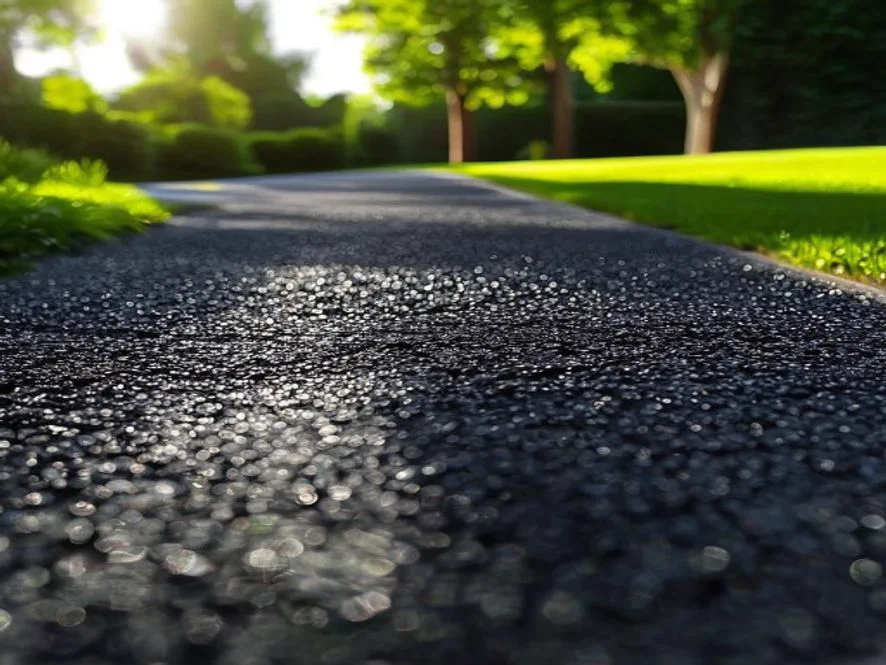
What the asphalt driveway heat island effect is
Dark, hard surfaces soak up sunlight. Then they send that heat right back out. Cities are full of asphalt and roofs. They trap a lot of warmth. That's the urban heat island effect. Your driveway is a tiny version of it. One black slab won't warm a whole town. But it does add heat right around your home. The EPA studies this on a city scale. The same physics works in your yard, just smaller. Color drives most of the effect. A darker surface holds more heat. A lighter one reflects it away. That one fact shapes each cool fix below. So the fix starts with color. What it's made of matters too, but color leads. A black surface and a white surface differ a lot. They can sit 40 degrees apart in the same sun. That's a huge gap for one yard. Keep that number in mind as we go.
Does your driveway heat your house?
A little, yes. But less than most people fear. A hot drive warms the air right above it. On a sunny day, that air can feel 5 to 10 degrees warmer. Stand on it in bare feet. You'll feel the heat. It can warm the air near south-facing walls. That may nudge your cooling bill up a touch. At night, the slab keeps letting out stored heat. So your yard cools more slowly after sunset. Most of the heat stays near the ground. The hottest zone is the first few inches of air. Want the full picture? See how hot an asphalt driveway really gets. The effect is real but very local. It fades fast as you move away from the slab. A few feet of grass helps a lot. So a slab far from the house matters less. One right by the front door matters more. It can push warm air through an open door. It also bakes nearby plants and pots. Move heat-loving plants away from the edge. They'll thank you in July.
Why black asphalt gets so hot
Color is the main reason asphalt bakes. Black absorbs almost all the sunlight that hits it. You can feel this through your shoes in seconds. Here are common surface temps on a 90 degree day.
- Fresh black asphalt: 140 to 160 degrees.
- Aged gray asphalt: 120 to 140 degrees.
- Light concrete: 100 to 120 degrees.
- Reflective coated asphalt: 110 to 130 degrees.
- Grass or gravel: 95 to 105 degrees.
The hotter the surface, the more heat it gives off. That's why fresh asphalt feels like an oven. It's also why the slab can go soft. Learn more about why asphalt gets soft in summer. Heat and color go hand in hand here. Note how aged gray asphalt runs cooler. Sun fades the black over a few years. So an old drive is a bit cooler on its own. A reflective coat just speeds that up.
Reflective and light coatings
The easiest fix is a lighter coat. Reflective sealers bounce sunlight away. They come in light gray and tan shades. Some special coatings are built to cut heat. They can drop surface temps by 10 to 30 degrees. The lab at Berkeley tests cool paving like this. There's a catch, though. Many people love the deep black look. A lighter coat changes that look a lot. These coats also need redoing over the years. Test a small patch first if you're not sure. Still, for a hot climate, the cooling is worth it. You'll feel it on bare feet. A cool coat also slows cracking from heat. Pair the coating with smart hot-climate care for the best result. The two keep the surface far cooler. A cooler slab also lasts longer. Heat is what makes asphalt soft and rutted. So you cool the yard and protect the drive. That's a nice two-for-one win.
Lighter paving and surface choices
If you plan to repave, rethink the surface itself. Lighter paving stays cooler by nature. Light concrete reflects more sun than asphalt. Pavers come in many pale colors. Permeable pavers let water and air pass through. They cool the ground as the water dries. Gravel stays cooler than a solid black slab too. Each choice has tradeoffs, of course. Concrete costs more than asphalt up front. Pavers need more weeding and upkeep. Asphalt stays cheap and easy to fix. So weigh cost against comfort. Ask your contractor for cooler color choices. If summer heat really bugs you, lighter pays off. If budget rules the day, keep asphalt. Add a reflective coat on top. That blend works for a lot of homes. You don't have to cool the whole yard. Even a lighter walkway helps near the door. Mix and match to fit your budget. Small changes still add up.
Shade, trees, and simple fixes
The best fix can be plain old shade. A tree over the driveway blocks direct sun. That alone can cut surface temps a lot. Plant on the south or west side. That gives the most shade. Trees also cool your whole yard. A pergola or shade sail works too. Even a row of tall shrubs helps. Shade takes years to grow, so plan early. Water the tree well in its first years. And it's the most natural fix of all. It adds beauty and home value as a bonus. Trees that drop their leaves give summer shade and winter sun. Mix shade with a lighter surface for the biggest drop. That combo beats any single fix. Keep tree roots a few feet from the slab. Big roots can lift and crack asphalt. So pick the spot with care. A little planning saves a repair later. A shade sail is a fast fix while trees grow. It cools the spot in one weekend. You can take it down each fall. That keeps the slab cool through the worst heat.
The bottom line
Bottom line. An asphalt driveway heat island is real but small. Black asphalt gets very hot and holds that heat. It warms the air right around your home. You can cool it with reflective coatings, lighter paving, or shade. Each path trades cost, looks, or upkeep. In a hot climate, the added comfort is worth it. A cooler driveway makes summer nights nicer. In a mild one, you may not bother. Start with the cheapest fix that helps. A reflective coat and one shade tree go far. You can add more later. Pick what fits your yard and budget.