Short answer: A hot tub on asphalt driveway is usually fine if the spot is flat, firm, and protected. A filled tub can weigh 4,000 to 6,000 pounds, so the load is real. The risk is denting on hot days and tearing a pool liner on rough grit. Set the tub on plywood or thick rubber pads to spread the weight. Pick a level, well drained spot and you'll be safe most of the time.
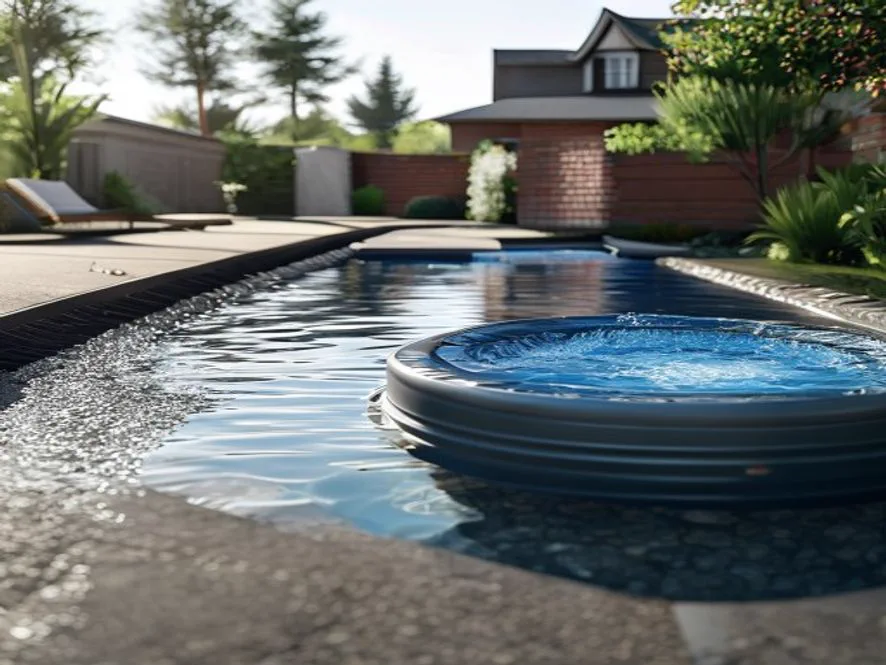
How heavy is a filled tub or pool?
Water is the heavy part. One gallon weighs about 8.3 pounds. A small hot tub holds 300 gallons. That's around 2,500 pounds of water alone. Add the shell and the people and you reach 4,000 to 6,000 pounds.
An above ground pool is even heavier. A 12 foot round pool can hold over 3,000 gallons. That's more than 25,000 pounds. Spread over a wide base, the load per square foot stays low. But it's still a lot of weight in one place for days.
Asphalt was built for cars, so weight isn't the main worry. The bigger worry is heat plus a small, hard contact point. That mix is what leaves a dent.
Think about pressure, not just total weight. A car spreads its load over four wide tires. A hot tub may rest on four small feet. The same weight on tiny feet pushes far harder per square inch. That's why a 4,000 pound tub can dent when a 4,000 pound car never does. Spreading the feet over a wide pad fixes that math fast.
Is a hot tub on asphalt driveway safe in summer?
The honest answer is mostly yes, with care. Asphalt gets soft when it bakes. On a 90 degree day the surface can soften enough to take a print. A heavy tub on small feet can press in. You can read more about why asphalt gets soft in summer and how long it lasts.
The fix is simple. Spread the load. Put a sheet of plywood or rubber mats under the whole tub. Now the weight covers many square feet, not four small feet. The asphalt stays flat.
New asphalt is the most at risk. Fresh pavement stays soft for months. If your drive is less than a year old, wait or use a thick base under the tub.
An inflatable tub is a lower risk choice. It's lighter and the soft base spreads the load on its own. A hard shell tub is the one to watch. Either way, the rule is the same. Cooler weather and a wide base keep dents away. If you only run the tub in fall and winter, the heat risk drops a lot.
What can damage the asphalt or the tub
A few things go wrong if you skip prep. Here's the short list to watch.
- Denting: small feet on warm asphalt leave round prints.
- Liner tears: sharp grit or rough texture can puncture a pool liner.
- Pooling water: splash out sits in low spots and softens the surface.
- Tilt: a sloped driveway makes the water sit unevenly and stresses the shell.
- Chemical spills: raw chlorine can stain or eat the binder.
Most of these are easy to prevent. A flat pad and a barrier under the tub solve the big ones. A drain mat moves splash water away from the base.
Chemicals deserve a quick word. Keep your chlorine and shock off the asphalt. Store them on a shelf, not on the ground. If you spill, rinse it right away with lots of water. Strong pool chemicals can dry out the binder and leave a pale, brittle patch. A small drip mat under the chemical bin is cheap insurance.
The base that protects your driveway
You don't need a slab. You need a layer that spreads weight and blocks grit. For a hot tub, a sheet of 3/4 inch exterior plywood works well. Add rubber pads or a foam spa pad on top for cushion.
For an above ground pool, lay a pool floor pad first. Then add foam tiles or carpet under the liner. This stops the rough asphalt from rubbing a hole. A smooth barrier is the key for any soft liner.
If you want a long term spot for heavy gear, think about a reinforced pad. The same logic applies to a parking pad. Our asphalt RV parking pad guide shows how a thicker, firmer pad handles steady heavy loads without rutting.
Size the barrier bigger than the tub. Let it stick out a few inches on each side. That way the edge of the tub never rests right on bare asphalt. For a pool, a full ground cloth under the floor pad adds one more layer. More layers mean less chance of a tear or a dent. None of this is costly. A sheet of plywood and a few mats do the job.
Pick the right spot
Location matters as much as the pad. Look for a flat, firm, well drained area. A spot near the house with easy hose and power access is ideal.
Avoid low areas where water collects. Avoid the soft edge of the driveway, since edges crack under weight. Stay a foot or two in from the edge so the load sits on the strong middle.
Check that your base is solid too. A weak base under thin asphalt can settle under a heavy tub. If you're planning ahead, the right build matters. See our asphalt driveway thickness guide to know what your pavement can carry. For more on pavement basics, the National Asphalt Pavement Association is a solid resource.
Think about access while you plan the spot. You want a hose, a drain path, and power nearby. You also want to drain the tub away from the asphalt, toward grass or a drain. Standing water is the slow enemy of any driveway. A spot with a gentle slope away from the house drains best. Mark the spot and test it with a level before you fill.
When it is fine and when it is risky
Let me sum it up so you can decide fast. It's usually fine when the driveway is at least a year old, flat, and in good shape. Add a wide pad and you're set.
It's risky when the asphalt is brand new, sloped, or cracked. It's also risky in a hot climate with no barrier under small feet. In those cases, build a real pad or pick a different surface.
I have seen tubs sit on driveways for years with zero damage. The owners just used plywood and rubber. The few bad cases I saw all skipped the base. The lesson is clear. Spread the load and protect the surface.
One last tip. Plan to move the tub now and then. A tub left in one spot for years can leave a faint mark. Lift it, check the asphalt, and shift it a foot if needed. A quick seal coat every few years keeps the whole drive tough. Do that and your driveway and your tub will both last a long time.
A quick cost and care rundown
Let me close with the money side. The protection gear is cheap. A sheet of plywood runs about 40 dollars. A foam spa pad is around 30 to 60 dollars. Rubber mats cost a few dollars each. That's a small price to guard a driveway worth thousands.
Care is simple after setup. Check under the tub once a season. Look for any dent or soft spot. Sweep grit off the pad so nothing grinds in. Rinse any chemical drips right away. Seal coat the whole drive every few years to keep it strong.
Do these few things and you get the best of both. You enjoy the tub or pool. The asphalt stays smooth and flat. A bit of planning now saves a repair bill down the road.