Short answer: For trench vs bore under driveway, boring drills a path under the asphalt. There's no surface cut. Trenching only works where there's open dirt, not under the pavement. Saw-cut and patch slices the driveway and fixes it after. Boring costs more up front but saves your surface.
The three ways to cross a driveway
Three ways move a line across a driveway. Each treats the asphalt its own way. Pick the wrong one and you pay to repave. Pick the right one and the drive stays clean and smooth.
The three are boring, open trench, and saw-cut and patch. We'll walk through each one. Then we'll compare cost and use. By the end you'll know which fits your job.
Before any digging, call to mark buried lines. In the U.S. that service is free. Dial 811 or visit call811.com a few days ahead. Hit a gas line and the whole day goes very wrong.
Each method has a right time and place. None is best for every job. The trick is matching the tool to your yard and budget. Think about three things as you read. How nice is your drive. How long is the run. How long will you stay in the home. Those answers point to the right pick.
Directional boring, the no-cut way
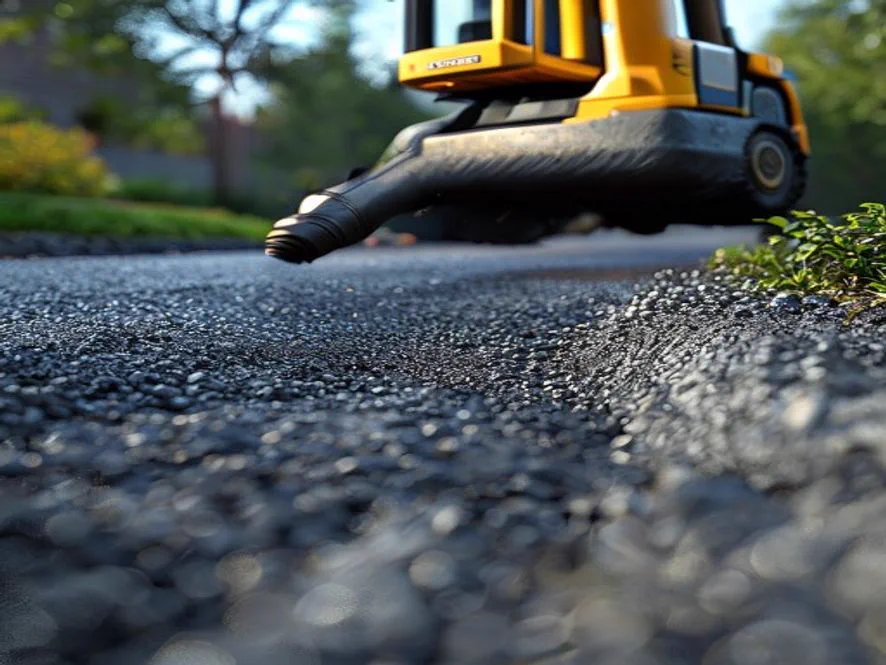
Boring drills a tunnel under the asphalt. A machine pushes a rod from one side to the other. Then it pulls the pipe or conduit back through the hole. The driveway surface never gets cut.
This is the cleanest method by far. No saw marks. No patch. No weak seam to crack later. It works great for water, gas, power, and data lines alike.
The catch is the gear. Boring needs a special rig and a skilled crew. That drives the price up. But you save the cost and the look of a repaved drive. For a nice driveway, that trade often makes sense.
Most bores run a few feet deep. That keeps the line below frost and traffic loads. The entry and exit pits sit in the dirt on each side. Only those small holes get dug. Boring shines under wide driveways too. A 20 foot crossing is no problem for the rig. Longer runs cost more but still skip the cut.
For a long, nice drive, boring is often the clear winner. You pay more up front. You skip the patch and the future repave. Over the life of the drive, it can cost less. A clean surface also helps at resale time.
Open trench, only in the dirt
Open trenching means digging a long ditch for the line. It's cheap and simple. But it only works in open dirt or grass. You can't trench through solid asphalt without breaking it up.
So trenching shines on the lawn parts of the run. Many jobs mix methods. They trench across the yard, then switch at the driveway edge. That keeps the cost down where they can.
Good trench work needs a firm, packed bottom. The same rules apply as our base prep guide covers. Loose backfill settles and sinks later. Pack it in layers and the ground stays flat.
Trenches do need backfill care. Loose dirt thrown back in will settle. Then you get a low strip across the lawn. Pack it in layers or it sinks after the first rain. A little tamping now saves a bumpy yard later. Keep the topsoil aside as you dig. Put it back on top at the end. Your grass grows back faster that way.
Saw-cut and patch, the middle road
This method cuts a narrow slot in the driveway. The crew lays the line in the slot. Then they fill and patch the asphalt over it. It's the budget way to cross pavement.
It works and costs less than boring. The downside is the seam. A patched cut is a built in weak line. Water can seep in. It may crack or sink in a few years.
A clean saw cut and tight packing help a lot. So does a good seal on the seam. But a patch never quite matches the rest of the drive. You'll always see the line where they cut.
Patch quality depends on the crew. A good one matches the mix and packs it tight. A rushed one leaves a soft, lumpy scar. Ask to see past patch work before you hire. The seam tells you a lot. Keep the cut as narrow as the job allows. A few inches wide is plenty for one line. Wider slots mean more weak seam to crack.
What each method costs
Prices swing by region and run length. Here's a rough feel for a typical home job.
- Open trench: the cheapest, in dirt only.
- Saw-cut and patch: mid cost, leaves a seam.
- Directional boring: highest up front, no surface damage.
- Repave later: the hidden cost of cutting.
Cheap today can cost more later. A bad patch you repave in three years isn't cheap. Boring may win once you add it all up. Think in years, not just the first invoice.
Get a few quotes and ask what each price covers. Some include the patch and seal. Some don't. Compare apples to apples. The cheapest bid may skip the restore step. Factor in your time too. A repaved patch may need a day to set. Boring leaves the drive ready to use right away.
Trench vs bore under driveway: how to choose
Match the method to the job. Got a long run and a nice driveway? Bore it. Crossing mostly lawn? Trench it. Short crossing on an old drive you'll repave anyway? Saw-cut works fine there.
Think about the line type too. Boring suits any utility. Water, gas, power, and conduit all pull through fine. Running a charger circuit? See our guide on running an EV charger line under a driveway. The crossing method is the same idea.
Also weigh how long you'll stay. A forever home deserves the clean bore. A house you may sell soon might not. Match the spend to your plans.
Talk to your pro about access too. Boring needs room for the rig on each side. A tight city lot may limit your options. The pro can tell you fast what fits your space. Bring photos of your driveway and yard. A clear picture speeds up the quote. It also avoids surprises on the work day.
Restoring the surface after
If you cut, restore it well. Pack the backfill in layers. Match the asphalt thickness to the rest of the drive. Seal the seam right away. Skip these and the patch fails fast.
If you bore, there's nothing to restore. That's the whole point of the method. Less mess, less risk, no scar across your drive.
Check local rules before you start either way. Some crossings need a permit. Our permit guide explains when. A quick call to the town saves a fine later.
Whatever you pick, keep the marked utility lines in mind. Stay clear of gas, power, and water already in the ground. The crew works around them. That's why the 811 call comes first. Take photos of the marks before they fade. Spray paint and flags don't last long. A quick photo saves a headache later.