Short answer: Electric cable mats cost less to put in. They fit small drives and mild winters. Hydronic glycol tubes cost more up front. But they run cheaper on big drives and hard winters. And the pricey parts stay easy to reach.
The two systems in plain terms
Both hide under your asphalt. Both melt snow before you wake up. But they make heat in two ways. It helps to picture each.
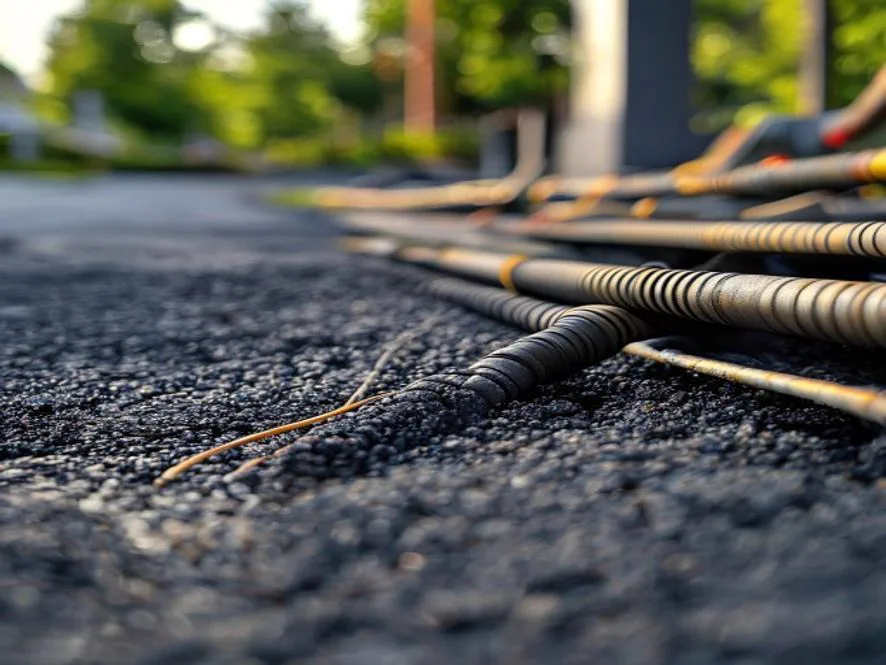
Electric systems use cable mats. The crew rolls them out under the top layer. The cables warm up when power flows in. Think of an electric blanket. This one is just built tough for a drive.
Hydronic systems use tubes. A boiler heats a mix of glycol and water. A pump pushes the warm fluid through the tubes. That fluid melts the snow above. It works like warm floor heat.
I've seen both work well. The right pick comes down to three things. Your drive size. Your local winters. And your budget. Let me break each down. I'll use real numbers you can trust.
Electric vs hydronic heated driveway install cost
Here's where they split most. Electric is simpler. It has fewer parts. It needs less labor. That keeps the day one price down.
Take a small drive near 600 square feet. Electric runs about 6,000 to 9,000 dollars. Hydronic runs about 9,000 to 14,000 dollars there. The boiler and pump add a big chunk of that.
Now take a big drive near 1,200 square feet. Electric climbs to 12,000 to 19,000 dollars. Hydronic lands near 17,000 to 26,000 dollars. It still costs more up front. But it spreads heat wide. So it draws less power.
Electric needs a strong power feed too. Big mats pull a lot of amps at once. A new sub panel can add 1,500 to 3,000 dollars. Ask about this early. You don't want a shock. Want a full breakdown? See our heated asphalt driveway cost guide.
Running cost per winter
This is the part folks forget. Electric heat costs more per hour. You pay full power rates each time it runs.
For a small electric drive, plan on 150 to 400 dollars a winter. That's with a mild or medium winter. And with a smart sensor. The sensor runs the system only when snow falls. Skip it and your cost can double fast.
Hydronic costs less to run on big jobs. A gas boiler makes cheap heat. For a large drive, gas might cost 200 to 500 dollars a winter. The same drive on electric could hit 600 to 1,200 dollars. That's in a cold year.
So the math shifts with size. Small drive? Electric stays cheap enough. Big drive in a cold state? Hydronic saves real money each year. Over ten winters, that gap adds up. It can pay back the higher install cost.
Lifespan and repair access
Both last a long time when built well. But each fails in its own way. That matters more than you'd think.
Electric cable lasts about 15 to 30 years. The weak point is the cable. Say one breaks under the asphalt. You must saw cut the spot to reach it. That leaves a patch in your drive.
Hydronic tubes last 20 to 40 years. The boiler and pump wear out first. Here's the good news. Those parts sit in your garage or basement. You can fix or swap them. You never touch the drive.
So hydronic wins on repair access. The pricey parts stay easy to reach. With electric, a buried fault means cutting asphalt. Keep a map of the cable runs. Store it in a safe spot. It saves a lot of guessing later.
Which system fits your driveway
Here's a quick way to choose. Match your drive and climate to the best pick. Then check it against your budget.
- Small drive, mild winter: electric mats win on price.
- Small drive, hard winter: electric still fits, but watch run costs.
- Large drive, mild winter: either works, electric costs less to put in.
- Large drive, hard winter: hydronic wins on yearly cost.
- No gas line: electric is the easy pick.
- Have a boiler now: hydronic gets cheaper to add.
None of these is a hard rule. They're just the patterns I see most. Want more on home heating? The U.S. Department of Energy has a clear guide.
What to ask before you install
Good questions now save money later. Ask each crew the same ones. Then weigh the answers side by side.
Ask how they handle a sensor. A snow sensor cuts your power bill a lot. Ask about zones too. Zones let you heat just the tire tracks. That uses less power.
Ask about the cable or tube warranty. Ask about the boiler too. Going electric? Get the amp draw in writing. Then have your electric pro check your panel. A bit of work now keeps the job on budget.
My honest take
Most folks I meet have a small drive. Or a medium one. For them, electric is the smart start. The install cost is lower. It's easy to add zones. And a good snow sensor keeps the power bill sane.
Do you live up north? Do you plow a big drive each winter? Then look hard at hydronic. The higher install cost pays back over the years. The cheap gas heat keeps working for you.
Either way, treat the heat as a backup. It's not your whole plan. Good winter care for your asphalt still matters a lot. And keep some safe ice melt on hand. Use it for edges and steps the system misses. A heated drive is a treat. But smart care keeps it lasting.