Short answer: To fix dents in asphalt driveway surfaces, clean the divot, soften the edges with a little heat, fill it with cold patch, then tamp it level and seal. Shallow marks under a quarter inch deep are fine to leave alone.
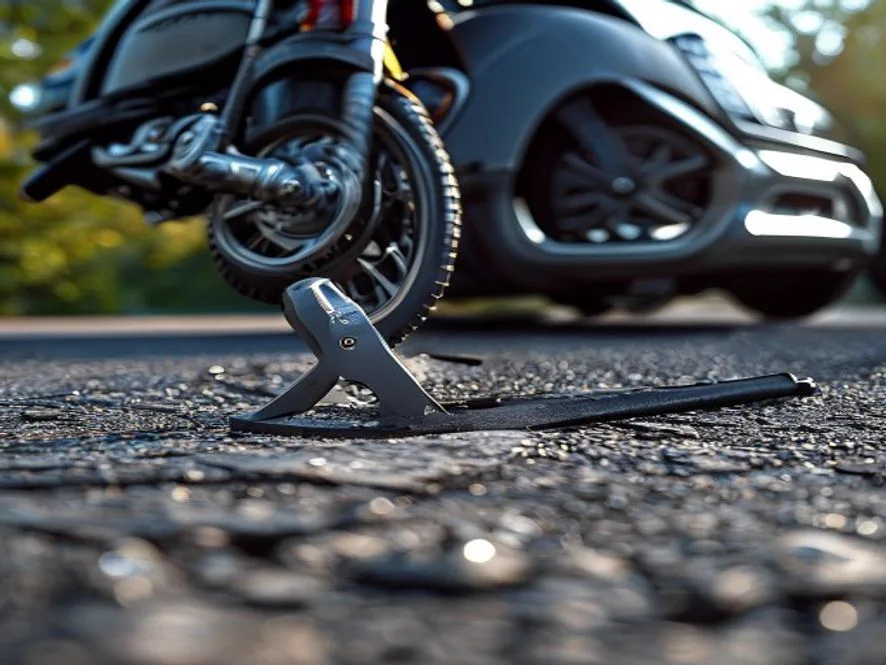
Why jacks and kickstands dent asphalt
Asphalt gets soft in the heat. On a hot day, the surface can dent under a small, hard point. A trailer jack, a motorcycle kickstand, or a jack stand all press hard on one tiny spot.
Picture all that weight on a coin sized area. It sinks right in. That's why you find a neat little crater after the bike sits all afternoon. It's normal. Asphalt is built to flex a bit in the heat.
The hotter the day, the softer the surface gets. A 90 degree afternoon makes asphalt much easier to dent than a cool morning. Heavy point loads and high heat are the combo to watch for. Want to know why your drive turns soft? See why asphalt gets soft in summer. The same heat that softens it's what lets these dents form.
When to fix dents in asphalt driveway surfaces
Not every dent needs a fix. Shallow marks are mostly cosmetic. A dent under a quarter inch deep is fine to leave. It'll not hold water or spread.
Fill the dent when it's deeper than a quarter inch. Also fill it if water pools in it after rain. Standing water seeps down and weakens the base below. A deep divot can grow over time and crack at the edges.
Press a finger into the dent to judge it. If it's just a dimple, leave it. If you can rest a coin flat below the surface, fill it. If the dent sits inside a wider sunken area, treat the whole area instead. That's a different repair. Our guide on low spot and birdbath repair covers that case.
Tools and materials you need
This is an easy weekend job. You likely have most of these already.
- Cold patch asphalt: one small bag fills many divots.
- Stiff brush or broom: to clean out the hole.
- Hand tamper or 4x4 block: to pack it flat.
- Heat source: a heat gun, or just the summer sun.
- Driveway sealer: a small can for the top coat.
- Work gloves: cold patch is sticky and messy.
That's the whole kit. You don't need a torch or hot asphalt for a small dent. Cold patch does the job just fine. Grab the supplies in one trip and you're set.
Filling the divot the right way
The steps below walk you through it. The big ideas are simple. Clean it first. Warm it so the patch bonds well. Then pack it tight and seal.
Don't skip the tamping part. Loose patch just sinks again under the next load. Press it down hard and overfill it a touch. Traffic will settle the rest over the next few days. On a hot day, the patch knits in even better.
Work the patch in small layers for a deeper dent. Tamp each layer before you add the next. This stops soft spots from forming inside. For larger breaks or crumbling edges, step up to a full repair. See how to repair an asphalt driveway for the bigger jobs.
Stop dents before they start
Prevention is easy and cheap. The trick is to spread the load. A point load dents. A spread load doesn't.
Put a board or a pad under any jack or kickstand. A scrap of plywood works great. So does a flat paver or a steel plate. Even a hockey puck under a kickstand helps a lot. Keep one in your garage for the bike.
Park heavy trailers on a board too. Move them now and then on very hot days. The goal is simple. Never let a small, hard foot sit on hot asphalt for hours at a time. A two dollar pad saves you a repair down the line.
Common mistakes to avoid
A few small slips can ruin an easy fix. Steer clear of these and your patch will hold.
Don't skip the cleaning step. Patch won't bond to loose grit. Don't underfill the hole either. The patch must sit a little proud before you tamp it. And don't drive on a fresh patch right away. Give it time to set first.
One more thing. Don't use loose sand or dirt as filler. It washes out fast and the dent comes back. Cold patch is cheap, so use the right stuff. Take the extra ten minutes and the repair lasts for years.
When to call a pro
Most dents are a quick DIY fix. But a few signs mean you should call for help.
Call a pro if the dent comes with wide cracks around it. Same goes if a big area has sunk, not just one small spot. That points to a base problem under the surface, not a simple dent.
Also call if the same spot keeps sinking after you patch it. That hints at a soft base or a drainage issue. For sound mix and repair tips, the Asphalt Institute is a trusted source. When in doubt, a quick look from a paver can save you money later.