Short answer: If a snow plow damaged my driveway who pays comes down to two things. The first is the contract. The second is how careless the driver was. The plow crew often pays when they gouged the asphalt by rough work. But a signed waiver can shift the cost to you. Good photos with dates are your best proof. Save the damage. Then ask the crew to fix it or pay.
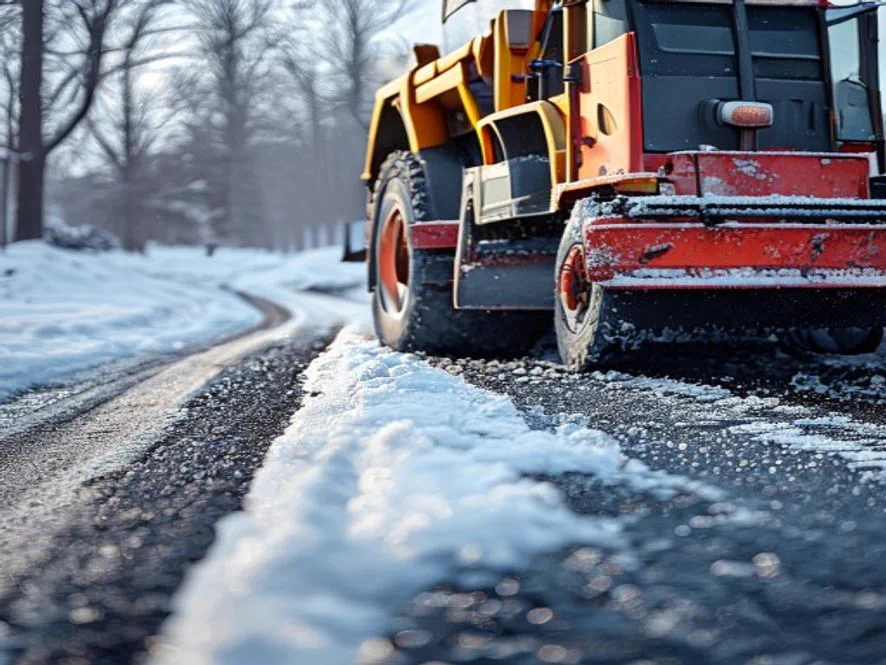
Snow plow damaged my driveway who pays?
Start with the basic rule. Did a hired plow crew damage your driveway by sloppy work? Then they usually owe the repair. You paid them to clear snow. You didn't pay them to tear up the asphalt.
But two things can change that. The first is your contract. The second is any waiver you signed. Many plow firms add a clause that limits what they cover.
City or town plows are not the same. Damage from a public plow goes through the local claim process. That path is slow. It often gets denied. But it's there.
Most home plow jobs are private deals. You hired a person or a small firm. So the contract is the key. A handshake deal is harder to enforce than a signed one. But you still have rights. Did their sloppy work cause the harm? Then they owe you. Start there and stay calm. Most of these end with a simple fix, not a court fight.
How contracts and waivers decide it
Read the paper you signed. Most plow deals have a damage clause. It spells out who pays for what.
Some contracts say the firm fixes damage it causes. Others have a waiver that pushes the risk to you. A common one kicks in when snow hides the driveway. It says they're not liable then for edge or surface damage.
Even with a waiver, very sloppy work can still be on them. A waiver doesn't cover reckless work. Did the driver tear a deep gouge? Was it from speed or the wrong blade? Then you have a stronger case. Is the damage real? Then you may need a proper asphalt driveway repair either way.
No written contract? Don't give up. Texts and emails count. So does a clear pattern of careless work. A judge looks at what is fair. Did they cause the harm by doing the job badly? If yes, a waiver may not save them. The waiver covers normal risk, like a hidden edge under deep snow. It doesn't bless reckless driving on your lot.
Document the damage the right way
Proof wins these talks. The day you spot damage, start a record. Clear photos and dates do most of the work.
- Photos: shoot wide and close, from many angles.
- Date stamps: use a phone so each photo logs the date.
- For scale: set a tape measure or coin in the shot.
- The plow path: show the marks line up with where they plowed.
- Written notes: jot the storm date and when you found it.
Keep any older photos of the driveway too. A before and after pair is strong proof. It ties the harm to the plow.
Act fast while the scene is fresh. Snow melts and tracks fade. Get your shots before the next storm. Note the weather. Note the time the plow came. Did a neighbor see it? Ask them. A second account helps your case. The more you save now, the easier the talk later. Memory alone won't win it. Dated proof will.
Ask the contractor to fix or pay
Go to the contractor first. Be calm and clear. Most honest firms want to keep your business and their good name.
Show your photos. Show the damage in person. Point to the contract clause if it favors you. Ask plainly for a fix or payment. Get any promise in writing, even a text.
Did they refuse and the contract is on your side? Then you have options. A small claims court handles many of these cases. Your home insurer may help too. But a deductible can eat a small claim. The Insurance Information Institute explains how property claims work.
Put your request in writing. Send a short, polite note. List the damage and what you want. Attach the photos. Give a clear due date for a reply. A written ask shows you're serious. It also builds a record if you go to court later. Keep your tone fair, not angry. Most firms fix the problem once they see your proof.
Fix the edges and gouges
Edges take the worst plow hits. A blade can catch a soft edge and peel it back. Those crumbling edges spread if you ignore them.
Small gouges and edge breaks are often a do it yourself fix. Cold patch and edge support can hold them. Our guide on fixing a crumbling driveway edge walks through it step by step.
Deeper damage may need a pro. Did the plow tear through to the base? Then a patch alone won't last. Get the base solid first. Then resurface that section.
Keep each receipt for the repair. If the contractor pays, they may ask for proof of cost. If you go to small claims, the receipt is your dollar figure. Get a written quote even if you do the work yourself. A quote shows the fair value of the harm. Save photos of the fix once it's done, too. That closes the file in case the issue comes back.
Prevent plow damage next winter
The best fix is to stop the damage before it starts. A few cheap steps save you a fight next year.
Set driveway markers along both edges. Tall reflective stakes show the driver just where the asphalt ends. That alone stops most edge gouges.
Firm up weak edges before winter with soil or a paver border. Ask your plow crew to use a rubber edge blade. Or ask them to set the blade shoes a bit high. For more tips, see snow removal without damage. A short talk with your driver in the fall goes a long way.
Pick your plow crew with care too. Ask how they keep driveways safe. A good firm will bring up markers and blade shoes on their own. Get the damage terms in writing before the season starts. Read the waiver before you sign. A clear contract up front stops most fights. The best outcome is no damage at all. A little planning in the fall makes that far more likely.
What if the contractor refuses
Some plow firms just say no. They deny they did it. Or they point to the waiver. Stay calm and work the steps in order.
First, send your written request with the photos. Give them a fair chance to fix it. Do they still refuse? Then check the dollar amount. Small claims court handles most driveway cases. The filing fee is low. You don't need a lawyer. Bring your dated photos, the contract, and a repair quote.
You can also leave an honest review. A fair, factual review warns other owners. Many firms will settle once they see you're serious. The key is to stay polite and stick to the facts. Strong proof and a calm tone win far more often than anger does.
Keep your hopes fair as well. Aim for the cost of a clean fix, not a brand new driveway. A judge looks for what is fair. A small claim with dated proof is the one most likely to win.