Short answer: A cool pavement coating driveway can run 10 to 30 degrees F cooler in direct sun. The coating is a light colored sealer. It reflects sunlight instead of soaking it up. So the surface stays cooler under your bare feet. It costs more than black sealcoat and shows dirt, but the heat relief is real.
What a cool pavement coating is
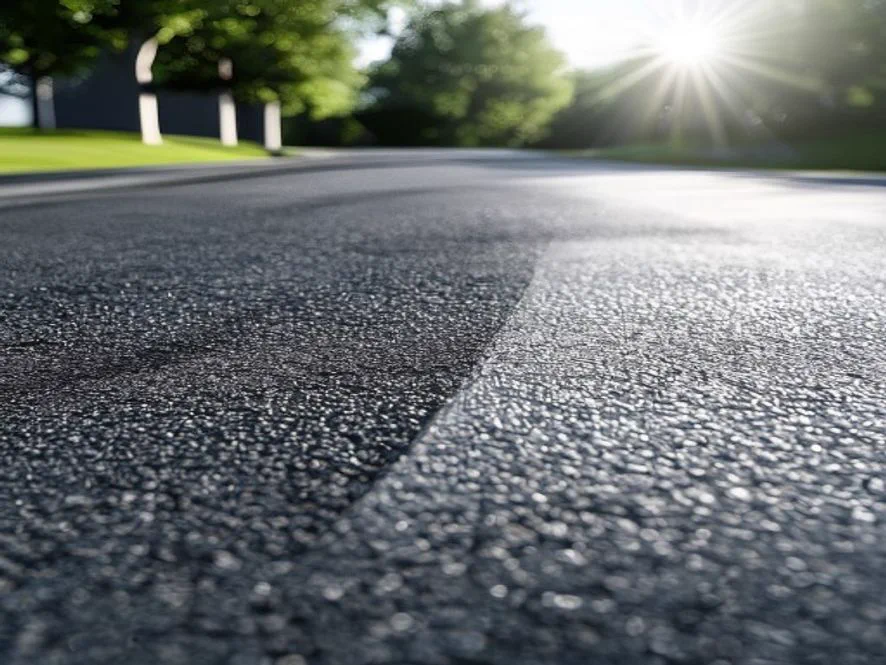
A cool pavement coating is a light colored sealer. You roll or spray it over asphalt. It reflects more sunlight than plain black tar does. Less heat soaks into the surface. So the driveway stays cooler in the sun.
Most cool coatings come in gray, tan, or soft green. A few are bright white. The lighter the color, the more sun it sends back. The idea is simple. Dark stuff drinks heat. Light stuff bounces it away. Your bare feet already know this on a hot day.
The U.S. Environmental Protection Agency studies this effect. You can read their work on cool surfaces and urban heat. Cities use the same trick on roads and roofs. Your driveway is just a small version of that.
Think of a black shirt on a sunny day. It gets hot fast. A white shirt stays cooler. Asphalt works the same way. The coating is like swapping the shirt color. Same slab, very different feel.
How much a cool pavement coating driveway cools off
In full sun, a cool coating can drop the surface by 10 to 30 degrees F. The exact drop depends on color and weather. A bright white coat cools the most. A light gray coat cools a bit less. A medium gray sits in the middle.
I have felt this change with my own hands. A plain black driveway can hit 140 degrees F on a hot afternoon. A light coated one might read 115 degrees F at the same time. That gap is huge for bare feet and dog paws.
- Surface drop: 10 to 30 degrees F in direct sun.
- Best color: white or very light gray.
- Air near the ground: a few degrees cooler.
- Least help: at night or in deep shade.
Keep one thing in mind. The coating cools the surface, not your whole yard. The air right above it feels a touch better. The real win is heat you can touch. Lab folks at Berkeley dig into this too. See the Heat Island Group for hard data.
Numbers vary by brand and how clean the coat is. A fresh white coat gives the biggest drop. A worn gray one gives less. Test it yourself with a cheap infrared thermometer. Point it at the drive at noon. The reading may surprise you.
How it differs from black sealcoat
Normal sealcoat is black. It guards the asphalt but soaks up heat. A cool coating flips the color. Both seal the top layer. Only one keeps it cool. That's the key difference between them.
Curious what a basic seal even does? Read what sealcoating actually does first. A cool coating adds the reflect job on top of that. So you don't lose any protection. You just trade the black look for a lighter, cooler one. Both still shield the asphalt from sun and water.
Some products mix both jobs in one bucket. They seal and reflect at once. Others go on as a top coat over normal sealer. Ask the installer which type they use. Either way, the prep is the same. Clean, dry asphalt holds the coat best.
Why glare and looks matter
Color isn't just about heat. A cool coating shows dirt more than black does. Tire marks and oil drips stand out fast. You'll sweep and rinse it more often to keep it sharp.
Glare can be a problem too. A bright white drive looks harsh at noon. It can bounce light into your eyes and windows. Many folks pick a medium gray to cut the shine. It still cools well, just a little less than white.
Think about your home style as well. A light drive changes the whole look of the front yard. Some love the fresh look. Others miss the deep black. Set a sample board in the sun for a day before you choose.
Pets and kids are the real reason many folks coat. A cooler drive means safe paws and bare feet in summer. That comfort is hard to put a price on. You just trade a bit of upkeep for it. For many homes, that's an easy yes.
What it costs and how long it lasts
Cost runs higher than plain sealcoat. Expect to pay more per square foot. The special pigment and product add to the bill. For a big driveway, that adds up. So weigh the comfort against the price.
A cool coating wears like other sealers. Plan to redo it every 2 to 4 years. Sun, tires, and snow plows all rub it thin over time. As it ages, it turns dingy and cools less.
Watch the weather when you apply it. The product needs dry, warm days to cure. Most need the surface above 50 degrees F. Rain too soon ruins a fresh coat. Plan the job for a clear stretch.
Buy a little extra product for touch ups. Oil spots and worn tracks need a quick recoat. A small can keeps the drive looking even. Spot fixes beat redoing the whole thing. Keep it on a shelf for the next stain.
Where a cool coating works best
This trick shines in hot, sunny places. The Southwest and the Deep South gain the most. Long summers mean more days of brutal surface heat. A cooler drive makes daily life nicer there.
Big paved areas gain the most too. More light surface means more heat sent back to the sky. For a tiny drive, the cooling is nice but small. Set your hopes to match the size of the slab.
Drainage still matters under any coat. Standing water wears the surface fast. Keep the slope so rain runs off. If your area bakes all summer, see our tips on hot climate driveway care. Pair the coating with shade trees for the best result.
Roofs and walls add to the effect too. A light roof and a light drive work as a team. Together they cut the heat around your home. The yard feels a few degrees friendlier. Small changes stack up on a hot day.
Is it worth it for you
So is it worth it? It depends on why you care. If the burn on bare feet drives you nuts, a cool coating helps a lot. If you just want black asphalt sealed, you can skip it.
Be honest about upkeep too. You trade a cooler drive for more cleaning and more frequent coats. Some folks gladly make that trade. Others don't want the fuss.
Want the full menu of cool choices? Read about heat island cool options. A coating is just one tool. Lighter pavers, shade, and grass strips all help too. Mix and match to fit your yard and budget.
My honest take is simple. For a hot climate with kids or pets, it earns its keep. For a mild area, the payoff is small. Match the choice to your weather and your goals. Don't buy it just for looks.