Short answer: Oil spill softened asphalt repair means cutting out the soft spot. It's not just washing the stain. Fuel and oil melt the glue that holds asphalt. That leaves a soft, crumbly patch. Can you push a screwdriver into it? Then the asphalt is shot. Clean fresh spills fast. But cut out and patch any spot that's gone soft. See our fuel spill cleanup guide for fresh spills.
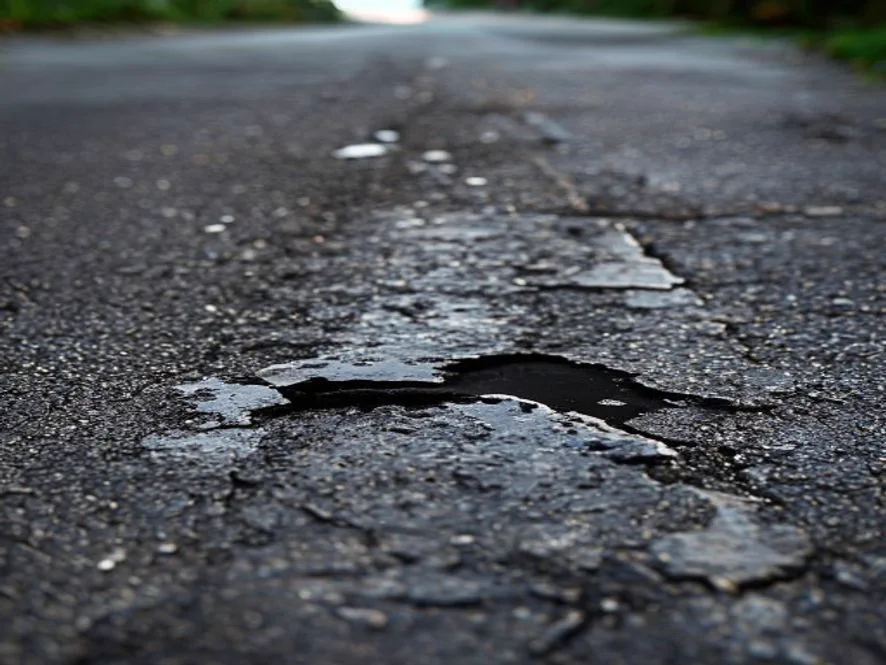
Why fuel and oil ruin asphalt
Asphalt is rock and sand held by sticky glue. That glue is made from oil. Here's the core problem. Gas, diesel, and motor oil are oil too. Like melts like. So fuel softens the glue. The grip that holds the stones lets go. The top turns soft. Then it gets gummy. Then it crumbles. A small drip may only stain the top. A big spill soaks in deep. Even a slow leak adds up over months. Diesel is the worst. It lingers and doesn't dry off like gas. That deep harm can't be cleaned away. You've to cut it out. Then you replace it. Learn the basics from the National Asphalt Pavement Association. They explain the chemistry well. Once you get it, the fix makes sense. Sealcoat does add some shield. But it's not a force field. A big spill still soaks past it in time. Fresh seal helps. But you still act fast. Catch spills early either way.
Stain or soft spot? How to tell
This one step decides the whole repair. A stain sits on the surface only. The asphalt under it's still hard. Soft damage goes much deeper. Try a quick test. Press a screwdriver or a key into the spot. Wear gloves near fuel. Hard and firm? It's just a stain. Clean it and move on. Soft, mushy, or crumbly? That's real damage. Dig a little and you'll see loose stones. The area may dip down. It may feel sticky in the heat. If it crumbles in your hand, cleaning won't help. You've to remove it. Mark the soft edge with chalk. When in doubt, treat a soft spot as damage. That's cheaper than guessing wrong. A bad guess means doing the job twice. Check the size too. A spot the size of a coin is minor. A spot the size of a plate is serious. The bigger it's, the deeper you cut. Measure it before you start.
Act fast on fresh spills
Time matters a lot with fuel. A fresh spill is mostly a cleanup job. Soak it up right away. Use cat litter, sand, or an oil soaker. Then scrub with a degreaser and rinse well. Scrub in small circles to lift the oil. Done early, you may dodge soft damage. Our fuel spill cleanup guide walks through each step. But if the spill sat for days, check for softness. Old, soaked-in fuel almost always means a patch. The longer it sits, the deeper it goes. Never hose fuel into the storm drain. So move fast every single time. Keep a soaker in the garage. Sweep the dry litter into a bag. Let it sit for an hour on a fresh spill. It pulls the oil up out of the pores. Then scrub and rinse the rest.
What you need to fix a soft spot
Patching a soft spot is a real repair. It's far more than cleaning. Here's what the job involves.
- Tools: circular saw or chisel, pry bar, shovel, tamper.
- Cleanup: degreaser and oil absorbent.
- Primer: tack coat for the cut edges.
- Fill: cold patch for small spots, hot mix for big ones.
- Finish: driveway sealer after it fully cures.
- Cost: 30 to 150 dollars for a DIY patch.
For a large area, hire a pro instead. The full method is just below. It also overlaps with patching a pothole. The steps are nearly the same. Cold patch is the easy DIY pick. It pours from a bag. It needs no heating. Hot mix is stronger but harder to get. Most folks do fine with cold patch.
Oil spill softened asphalt repair, step by step
The repair follows a clear order. First you clean the spill. Let it dry. Then cut out the soft area. Go down to firm asphalt. Remove every bit of crumbly stuff. A clean, solid hole is the goal. Next, brush a tack coat on the edges. This helps the new asphalt grip the old. Then fill the hole in layers. Use cold patch for small spots. Use hot mix for large ones. Wear a mask with hot mix. Tamp each layer down hard. Overfill a touch so it settles flush. Pack it level with the drive. Let it cure. Then seal the top. The full step-by-step is below. Take your time on the cutting step. A solid edge makes the patch last. Rushing here's the top mistake. Cut a clean square if you can. Straight edges hold the fill better. A ragged hole lets the patch shift. So square it up before you fill.
Sealing and preventing the next spill
Once the patch cures, seal it. Sealer adds a tough top layer. It slows the next fuel attack. Prevention beats repair every time. Park leaky cars on a mat or drip pan. Fix oil leaks fast. Keep a bag of soaker in the garage. Wipe up drips before they soak in. A sealed drive shrugs off small spills. For broader fixes, see how to repair an asphalt driveway. Good habits keep soft spots away. Reseal the whole drive every two to three years. Place a cardboard sheet under a parked mower. Catch chainsaw and tool oil the same way. These small drips harm asphalt too. A clean drive is easy to check. Look it over after every oil change. Check under the car for new drips. A bright spot of fresh oil is a warning. Clean it before the sun bakes it in. A little care now saves a big patch later.
The bottom line
Bottom line. An oil spill softened asphalt repair isn't a wash-and-go fix. Test the spot first with a screwdriver. A stain cleans right up. A soft spot must be cut out and patched. Clean fresh spills fast to avoid the damage. Seal the repair and prevent the next leak. Keep absorbent handy and act fast. For a big or deep spot, call a pro. They can cut and fill it cleanly in an hour. For a small spot, a bag of cold patch does the job. Treat soft asphalt as a real repair, and your driveway lasts for years.